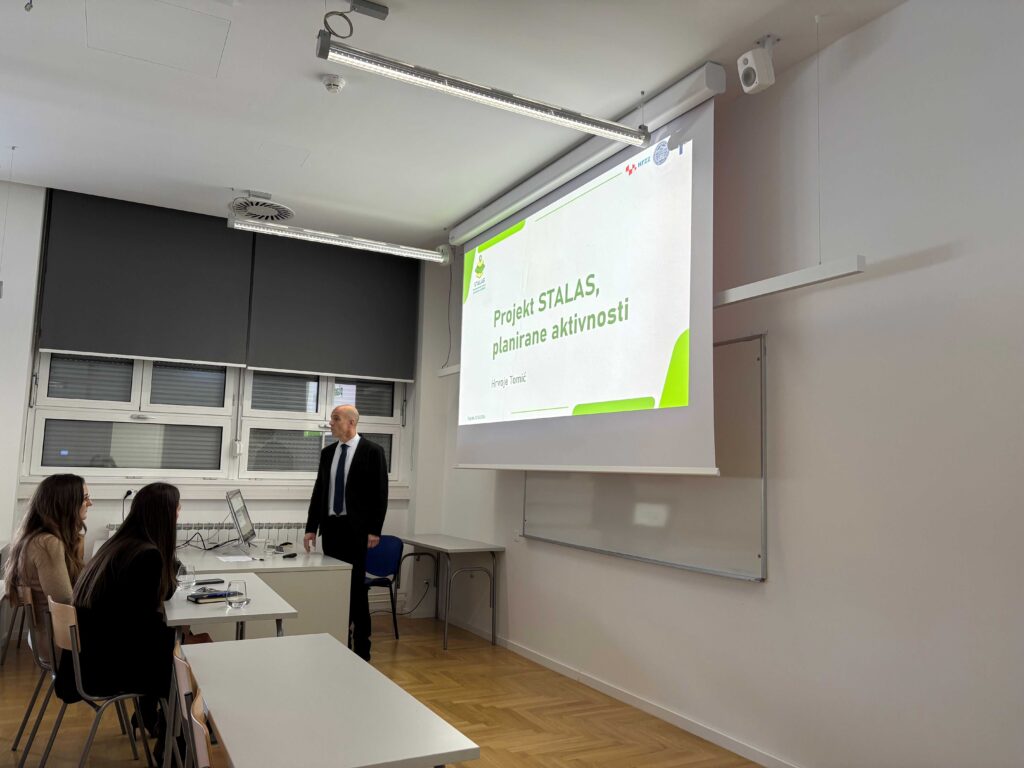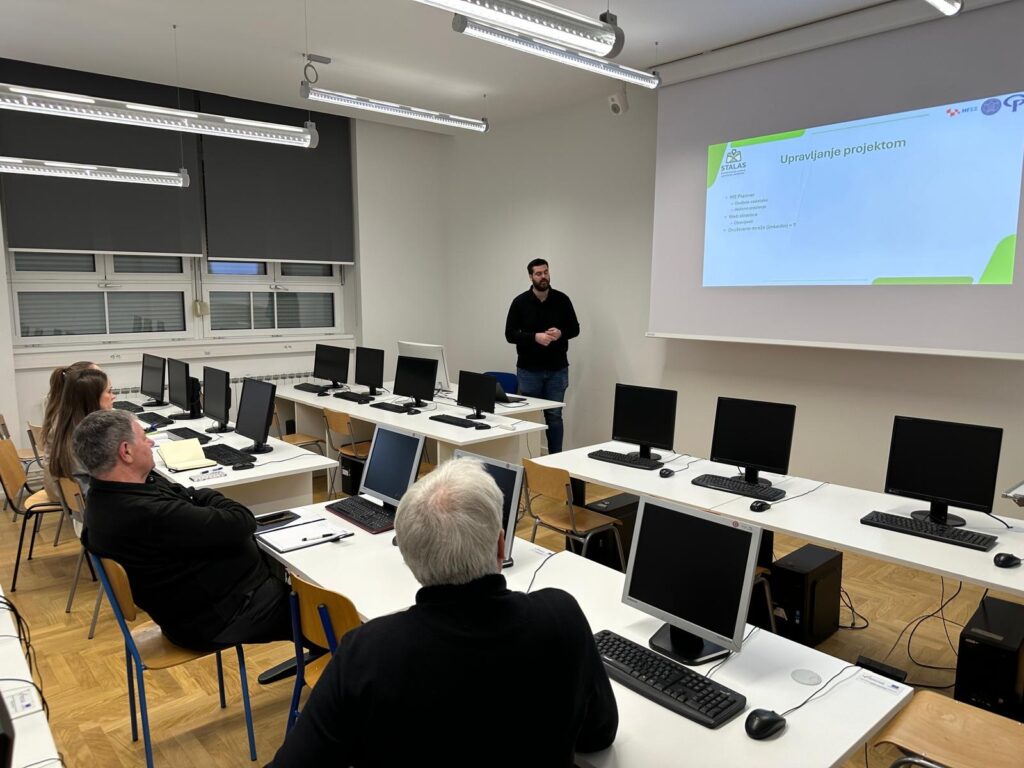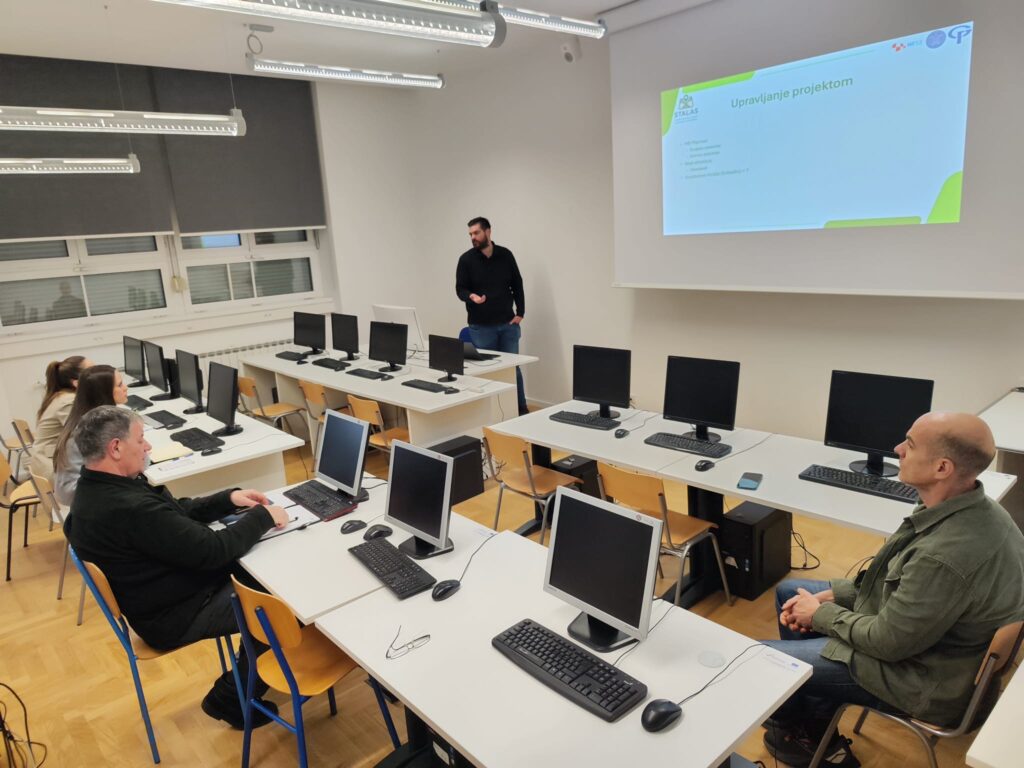


• The STALAS project's initial conference was held

    On February 12, 2026, the Initial Conference of the HRZZ research project STALAS was held at the University of Zagreb – Faculty of Geodesy. 

    More than 30 participants attended the conference. The attendees had the opportunity to learn about the goals, planned activities, and expected outcomes of the STALAS project.

    During the event, five thematic presentations were held, covering key research items, methodological approaches, and organizational and technical challenges in the project's implementation. 

    The initial conference concluded with a constructive discussion and an exchange of proposals from the project researchers and attending participants.

    Within the Initial Conference, a booklet of abstracts was also created, available at the following links.
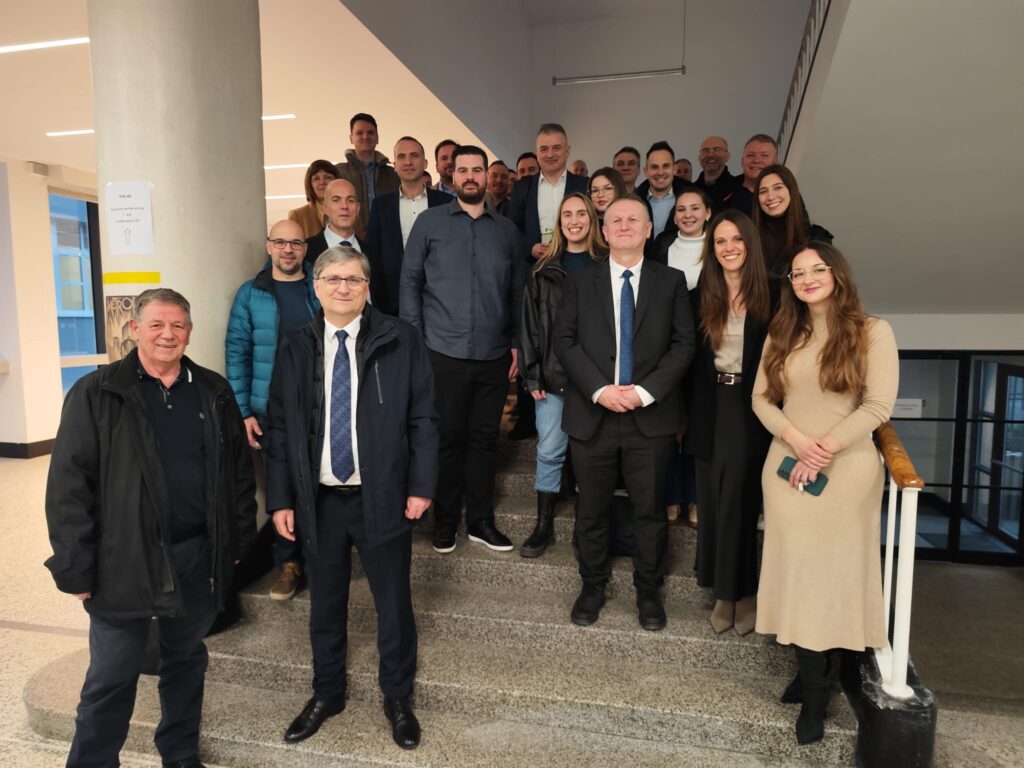
  • Project STALAS Initial Conference

    The initial STALAS project conference will be held on Thursday, February 12, 2026, at the University of Zagreb, Faculty of Geodesy, starting at 3:00 PM.

    Conference Program:

    1. Associate Professor Hrvoje Tomić, Ph.D. - Overview of the STALAS Project and Planned Activities
    2. Dr. Sc. Doris Pivac – LADM I and LADM II
    3. doc. dr. sc. Josip Križanović – Implementation of LADM
    4. Lana Ivković – LADM as support for effective land management
    5. Dr. sc. Grgo Dželalija – Modeling and recording of municipal infrastructure in LADM

    The goal of the initial conference is to present the objectives, activities, and expected outcomes of the STALAS project, and to facilitate the exchange of information and experiences among relevant stakeholders.

  • STALAS Project Kick-off Meeting Held

    On January 20, 2026, the Kick-off meeting for the Land Administration System Standardization (STALAS) project was held at the Faculty of Geodesy, University of Zagreb. The project is being implemented from December 31, 2025, at the Faculty of Geodesy, University of Zagreb, under the leadership of Assoc. Prof. Hrvoje Tomić, Ph.D. The three-year project is funded by the Croatian Science Foundation (HRZZ).